
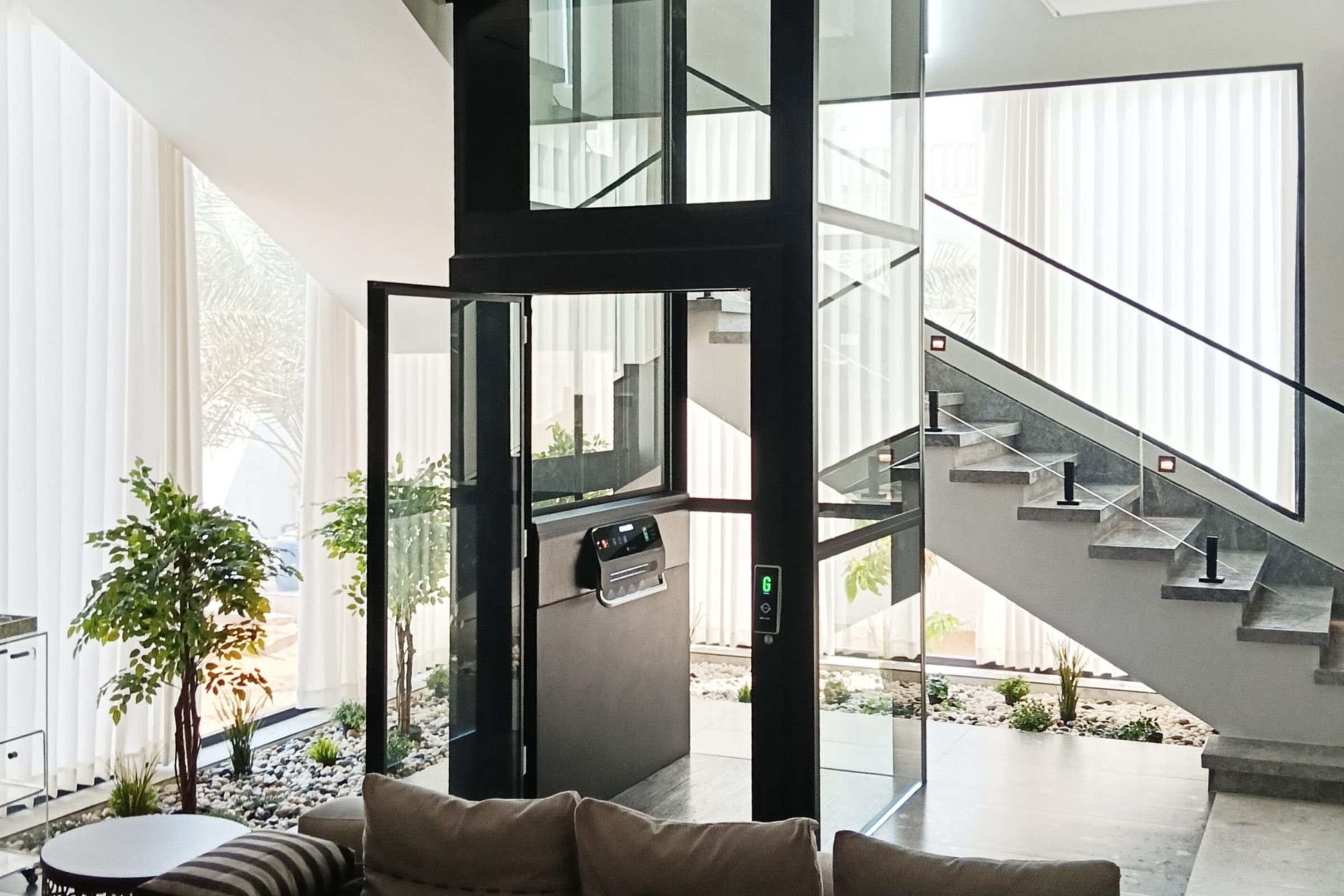
A residential elevator is one of the clearest ways to add real day-to-day accessibility while also increasing a home’s long-term value. In Absecon, Hillsborough, and across New Jersey, homeowners choose elevators to make multilevel living safer, more comfortable, and more marketable. Below is a practical guide to what elevators do, how Stiltz and Vuelift differ, and what to expect from a Mobility123 project.
Why add a home elevator
- Accessibility and safety. Removes the daily need to climb stairs and reduces fall risk for seniors and people with limited mobility.
- Daily convenience. Moving groceries, laundry, and mobility devices is easier and less fatiguing.
- Aging in place. Elevators let homeowners stay in the house they love as needs change.
- Market advantage. A well-integrated elevator expands your buyer pool and can differentiate your listing.
- Design friendly. Modern residential elevators are compact and finished to match interiors so they add function without looking industrial.
Stiltz homelifts: retrofit-friendly, low structural impact
Stiltz homelifts are designed for homes where keeping construction work to a minimum matters. They are a common choice when the goal is to add vertical access without major demolition.
Key features and benefits
- Small footprint and minimal shaft work. Stiltz units are built to fit into narrow spaces and often need less structural alteration than traditional elevators.
- Machine-roomless design. The drive and controls are integrated so there is no separate machine room to build.
- Multiple configurations. Models such as the Duo and Trio Alta suit single-person or two-person needs and adapt to different floor-to-floor distances.
- Smooth, residential ride. These units are designed to be quiet and to integrate into finished living spaces.
- Quick visual integration. Stiltz cabs are designed to be finished like normal rooms rather than industrial fixtures.
Common installation scenarios
- Tight interior shafts and closets converted to a homelift.
- Between floors where the stairwell or a closet can be reworked for a small shaft.
- Garage-to-house or porch entry applications where a low-profile solution is preferred. Note: some exterior or garage applications require fire-rated enclosures per local code.
What to expect during a Stiltz project
- Site survey and CAD checks to confirm clearances and floor penetrations.
- Minor framing and possibly a shallow pit or floor reinforcement depending on the layout.
- Electrical hookup to a dedicated circuit and final commissioning.
- Typical install time on-site is short compared with shafted elevators, usually measured in days after permits and prep are complete. Timing depends on site conditions and permit lead times.
Who Stiltz is right for
- Homeowners who want minimal structural work and a compact, stylish homelift.
- Retrofit situations where conserving finished space and speed of install matter.
- Families that want a residential-style solution that looks at home in living spaces.
Vuelift by Savaria: shafted units with style and capacity
Vuelift is a shafted residential elevator family that emphasizes cabin design and a polished look. Vuelift models cover a range of capacities and finishes, from compact round cabins to larger glass and shafted designs.
Key features and benefits
- Distinctive cabin options. Vuelift offers round and glass cabin choices that contribute to the interior design rather than detract from it.
- Multiple capacity options. Models are available for lighter residential loads up to higher capacities for more demanding use. For example, compact Vuelift Mini models are sized for smaller loads while larger round-cabin units are available with higher capacity.
- Complete shaft solution. Vuelift installs into a hoistway or shaft, giving a finished elevator appearance and broad placement flexibility in new-builds and some retrofits.
- Code compliance and robust components. Vuelift units include engineered electrical and safety systems and detailed installation manuals for wiring and hoistway works.
Common installation scenarios
- New builds where a shaft is planned or can be built into the design.
- Retrofits where the homeowner wants a high-end cabin look, a glass shaft, or higher passenger capacity than simple homelifts allow.
- Projects that prioritize cabin aesthetics and a traditional elevator experience.
What to expect during a Vuelift project
- More site prep than a homelift. Many Vuelift installations require a shallow pit, floor penetration or shaft construction, and precise framing.
- Detailed electrical and safety wiring. The Vuelift installation guide calls for specific wiring and safety configuration depending on stops and options.
- Finish work to match the chosen cabin style, from stainless fixtures and glass to acrylic cabins.
- Installation timelines vary. Shaft construction and finish work add time versus a homelift. A Vuelift project typically takes longer on site, and overall timing is affected by permit and construction scheduling.
Who Vuelift is right for
- Homeowners who want a statement elevator with glass or round-cabin aesthetics.
- Projects requiring higher capacity or a fully shafted elevator solution.
- New builds or retrofits where a shaft or pit can be planned and built.
Side-by-side: how to choose between Stiltz and Vuelift
- Space and structural impact. If you need the least disruption and a small footprint, Stiltz is the faster retrofit choice. If you want a finished shaft and a designer cabin, Vuelift is the better fit.
- Aesthetics and finishes. Vuelift offers glass and round-cabin options that function as design features. Stiltz is designed to blend into interiors with a softer, less industrial look.
- Capacity. Vuelift covers a wider range of capacities, which matters if you need to carry heavier loads or multiple passengers.
- Installation time and cost. Stiltz installs are usually faster and require less construction. Vuelift involves more site work and finish carpentry, so plan for higher soft costs.
- Long-term use. Both systems are robust if installed and serviced properly. Choice should follow the home layout, user needs, and design goals.
Planning, permits, and New Jersey specifics
- Start with a site survey. Measure travel height, floor openings, clearances, access, and any basement or crawlspace constraints.
- Confirm structural requirements. Stiltz often needs minimal framing. Vuelift typically requires a hoistway, shallow pit or floor penetration, and floor framing.
- Electrical work. Both systems require dedicated circuits and proper wiring. Vuelift installations often require more complex wiring per the installation manual.
- Permitting. Township rules vary across New Jersey. Permits, inspections, and code compliance are mandatory. Commercial or garage applications may require additional fire or enclosure work. Mobility123 handles permitting and inspections so you avoid common pitfalls.
- HOA and contractor coordination. If you live in a community with HOA rules, plan approvals before starting. We work with homeowners, builders, and HOAs to keep the process smooth.
Maintenance, reliability, and warranties
- Regular maintenance preserves safety and value. Service contracts include periodic inspections, lubrication, safety checks, and software updates where applicable.
- Local service matters. New Jersey’s coastal environment can affect exterior or exposed equipment, so a local service plan tuned to shore conditions is smart.
- Warranties. Manufacturer and installer warranties vary. Confirm what the manufacturer covers and what Mobility123’s installation warranty includes.
Typical timeline and costs to plan for
- Survey and quote: 1 to 2 weeks from first contact to a formal proposal.
- Permits and prep: Varies by township. Expect anywhere from a few weeks to a few months depending on local permitting timelines.
- Installation: Stiltz homelifts are often installed and commissioned in a few days once permits and prep are done. Vuelift shafted installations take longer because of shaft, pit, and finish work; plan for a longer on-site window and coordinated trades.
- Total project cost: Depends on model, finishes, site work, and permitting. A clear proposal should list finish options, structural or electrical work, and any required site modifications, so you know the full scope up front.
How an elevator affects resale value
- Practical value. An elevator expands the home’s usability and buyer pool, especially for aging buyers or multigenerational households.
- Perceived value. A well-integrated elevator signals considered, future-ready design and can set a property apart on listing sites.
- Return depends on fit. Value is strongest when the elevator feels like part of the home, is installed to code, and is maintained through a service plan.
Why Mobility123
We manage elevator projects end to end: site survey, product selection, steel and carpentry work, electrical, permitting, installation, and ongoing service. We install both Stiltz homelifts and Vuelift shafted cabins and size the solution to the property rather than forcing a product choice. That single-point accountability saves time, reduces rework, and keeps cost surprises to a minimum.
Ready to get started?
If you are in Absecon, Hillsborough, or anywhere in New Jersey and want a practical plan to add an elevator, contact Mobility123 to schedule a site visit. We will survey the home, show Stiltz and Vuelift options that fit your layout and budget, and deliver a clear proposal with timelines and permit handling.
FAQs
Stiltz homelifts are low disruption and usually require less demolition and finish work. Vuelift installations that need a shaft, pit, or floor penetration involve more construction and finish carpentry.
No. Stiltz and most modern Vuelift residential models are machine-roomless, with drive components integrated into the unit or the hoistway.
Yes. Stiltz is often chosen for tight retrofits. Vuelift can be retrofitted where a shaft or pit can be created and is an excellent option when cabin aesthetics or higher capacity are priorities.
Annual inspections and routine service keep systems safe and reliable. Service frequency may increase if the unit sees heavy use or is exposed to coastal conditions.
Typically home elevators are considered an improvement and may affect assessment in some jurisdictions. Check with your township assessor for specifics. Mobility123 can provide documentation of installed value if needed.
