
Adding a homelift or home elevator to your home isn’t like buying a new sofa. Home elevators are regulated mechanical devices, and New Jersey home elevator regulations dictate how they’re designed, installed, and inspected for safety. For homeowners and contractors, understanding this framework is the first step toward a smooth and stress-free project.
Before making a purchase, understand that you are not just choosing between different home elevators or a unique home lift elevator style; you’re also working within home elevator building codes that sit inside the state’s uniform construction code and elevator safety subcode.
Who Regulates Home Elevators in NJ?
At the state level, the Department of Community Affairs (DCA), through its elevator safety unit:
- Writes and administers the Elevator Safety Subcode
- Covers registration,
- Covers testing,
- Covers licensing for elevator devices, including residential units.
Local construction officials in NJ decide who has jurisdiction for elevator review and inspections in their municipality, the state, a local subcode official, or a third-party agency, and issue the final construction permits and certificates.
Those NJ elevator code requirements adhere heavily to national standards, so your home project is evaluated using the same safety principles that apply to commercial elevators and lifts.
What Are the Building Codes for Home Elevators in NJ?
New Jersey elevator safety standards adopt the ASME A17.1/CSA B44 Safety Code for Elevators and Escalators, including a dedicated residential section for private home elevators.
That translates into practical rules around car size and weight ratings, hoistway construction, door and gate interlocks, pit depth and clearances, emergency communication, and protection against entrapment between doors. This is all designed to keep riders safe and equipment reliable over time.
These same principles that sit behind residential lift regulations in New Jersey apply to vertical platform lifts and other residential devices, even though those are covered by a different standard (ASME A18.1) rather than the residential elevator section of A17.1.
Do You Need a Permit for a Home Elevator in New Jersey?
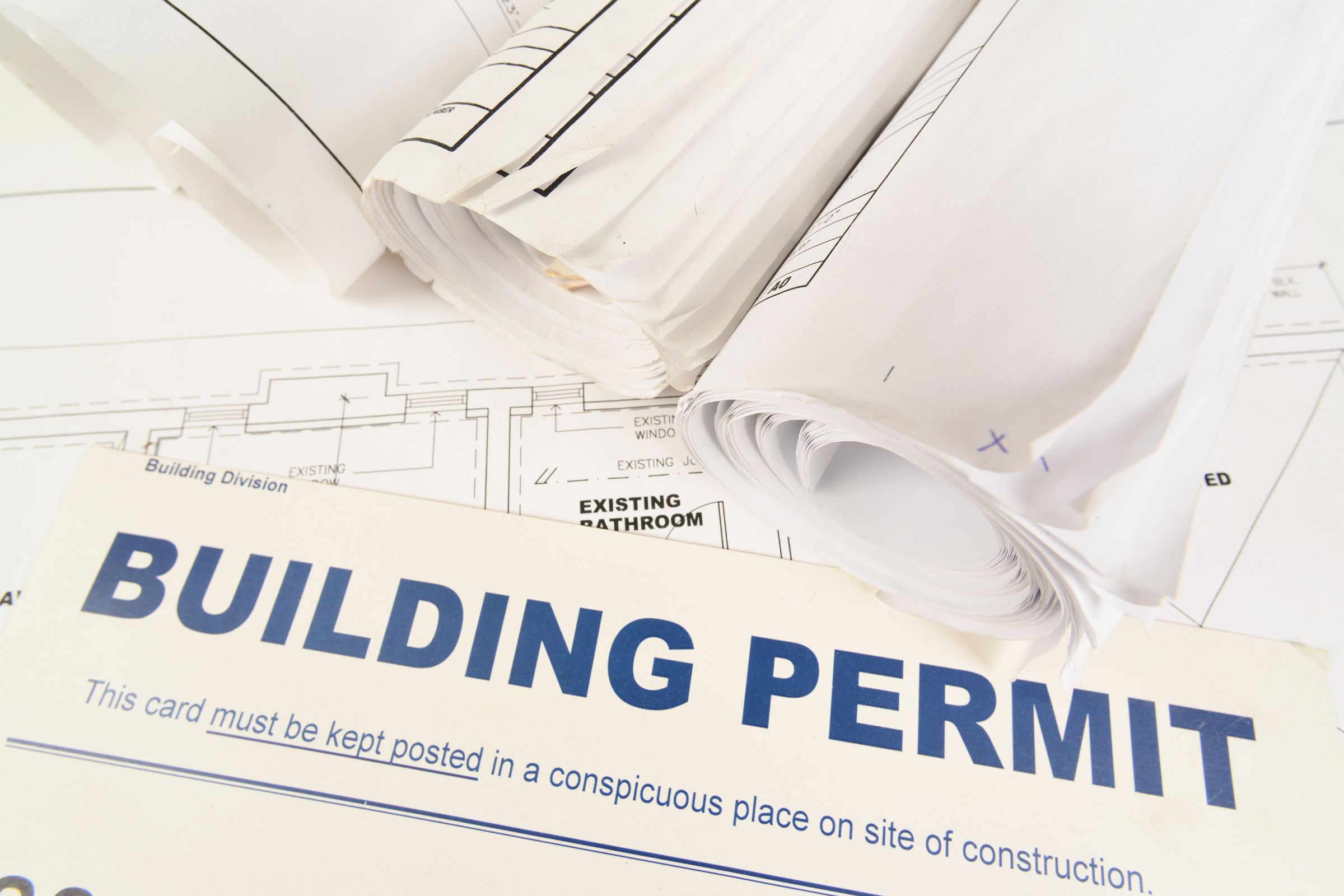
Do you need a permit for a home elevator in New Jersey? Absolutely. Every home elevator or homelift project requires permits before work begins, and the permit package must list a licensed elevator mechanic for work that falls under the elevator trade.
At a high level, NJ permit requirements for home elevators usually include:
- Building permit and plans showing structural changes and hoistway details
- Electrical permit for power supply, disconnects, and communication wiring
- Elevator subcode technical section and layout drawings, signed and sealed by a NJ licensed architect or engineer
- Zoning sign-off if the project affects setbacks, height, or exterior changes
NJ inspection requirements for residential lifts and home elevators typically include inspections tied to these permits first while work is open, then again at completion.
For private residence elevators, the state often accepts detailed inspection and test reports from licensed engineers or special inspectors in place of a state-performed final inspection. However, the local construction office still needs that documentation before issuing a certificate.
How to Make Sure Your Home Elevator Meets NJ Code
How do you make sure your home elevator meets NJ code starts long before the cab shows up on site? A good process includes:
- A site survey to confirm where a shaft or self-supporting tower can safely go
- Choosing equipment (homelifts or full-size home elevators) that matches code limits on travel, speed, and capacity
- Coordinated drawings that tie the elevator layout to framing, power, and access
- A clear plan for inspections and documentation tied to home elevator building codes in NJ
For a safe home elevator installation, NJ homeowners and contractors should work only with state-licensed elevator mechanics and contractors who live in this code every day and can speak both “construction” and “elevator” with their local officials.
Whether you’re modernizing an older shore home in Absecon, NJ, or planning a new build, that upfront work helps keep your project on schedule and your elevator ready for a clean sign-off.
After Installation: Staying Aligned With New Jersey Elevator Safety Standards
Code compliance doesn’t stop once your home elevator lifts pass the final inspection. Regular service, safety tests, and prompt repairs are all part of staying aligned with New Jersey elevator safety standards over the long term.
Most manufacturers and code references recommend periodic maintenance and documented safety checks, skipping them can shorten equipment life and create problems at the next inspection or when you decide to sell the home.
Your Partner in Compliance and Independence
Understanding New Jersey home elevator regulations, residential lift regulations, and the many elevator code requirements may feel like a lot, but you don’t have to handle it alone.
Mobility123 is a family-owned accessibility contractor with three full-time NJ-licensed elevator mechanics, an in-house construction team, and decades of experience delivering homelifts and home elevators that comply with ASME A17.1 and all other applicable home elevator building codes in NJ.
From design and permits to safe home elevator installation and ongoing maintenance, we guide New Jersey homeowners through every step. Hence, our home elevator project is safe, compliant, and ready to serve for years to come.
FAQs
Yes, home stair lifts are safe for daily use when installed and maintained by experts. They come equipped with safety features such as seat belts, swivel seats, safety sensors, and controlled start and stop functions.
A safe home elevator or homelift should include door interlocks, emergency communication systems, non-slip flooring, safety sensors, and a battery backup. These features ensure the elevator or homelift can safely lower in the event of a power outage.
Wheelchair lifts enhance user safety through several features, including roll-off protection, constant-pressure controls, safety edges, and under-platform sensors. These components ensure that the platform stops or reverses if an obstacle or wheel approaches its edge.
Mobility123 offers safe home accessibility equipment throughout New Jersey. We provide stair lifts, homelifts, wheelchair lifts, and home elevators, installed by licensed mechanics and backed by reputable brands, with maintenance focused on prioritizing safety.
If you’re looking for a more in-depth understanding of NJ building codes for a home elevator, consider reaching out for an evaluation of your specific needs.
